AFI Part 2: Films That Are...Fine

See here for Part 1 of the AFI series.
One of the reasons the modern internet is so terrible is the attention economy. With endless content and limitless options, getting you to notice anything at all has become the most valuable commodity.
This leads to making things that grab you and spark the most extreme emotions, which leads to comments, sharing, and that sweet, sweet ad revenue that comes with more eyeballs.
But really, there are a lot of things that are just fine, and there are things that you don't have a conclusive feeling about one way or another.
Today, let’s celebrate the gray area, the mixed feelings, the “not everything is for everyone” territory. Here are the films I feel neutrally about, or have such strong positive and negative feelings about that it cancels out.
Silent Films
SUNRISE (1927)
MODERN TIMES (1936)
DUCK SOUP (1933)
GOLD RUSH, THE (1925)
INTOLERANCE (1916)
GENERAL, THE (1927)
CITY LIGHTS (1931)
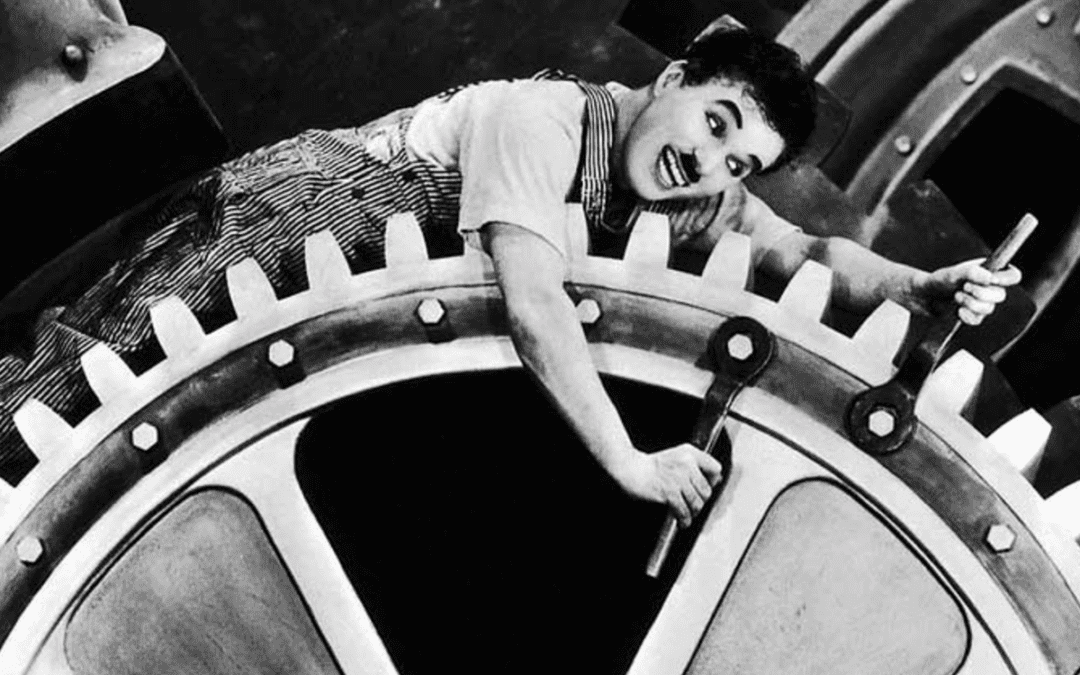
If you’ve never seen a silent film, that makes sense because it's 2026. The talkies won the day, and now you can get constant dopamine hits with the most entertaining entertainment. Personally, I love good dialogue more than pantomime, and I would guess I'm not alone. While I am an unsophisticated rube, I don’t think it makes you uncultured to find silent movies dull, especially when most of them are just good slapstick.
That said, if you care about movie history or want to make movies of your own, I do think some of these are worth a watch (Modern Times is my favorite). Actors like Charlie Chaplin and Buster Keaton are truly impressive physical performers. I also think it might be fun to watch some of these with kids, as they would appreciate the visual comedy, and it’s a nice departure from some of the slop out there. Otherwise, it’s a skip for me.
Note: I am happy the AFI skipped the incredibly racist Birth of a Nation for the 10 year anniversary list, but they replaced it with Intolerance, which is THREE HOURS LONG.
Movies That Broke Ground for Cinema
SNOW WHITE AND THE SEVEN DWARFS (1937)
KING KONG (1933)
BLADE RUNNER (1982)
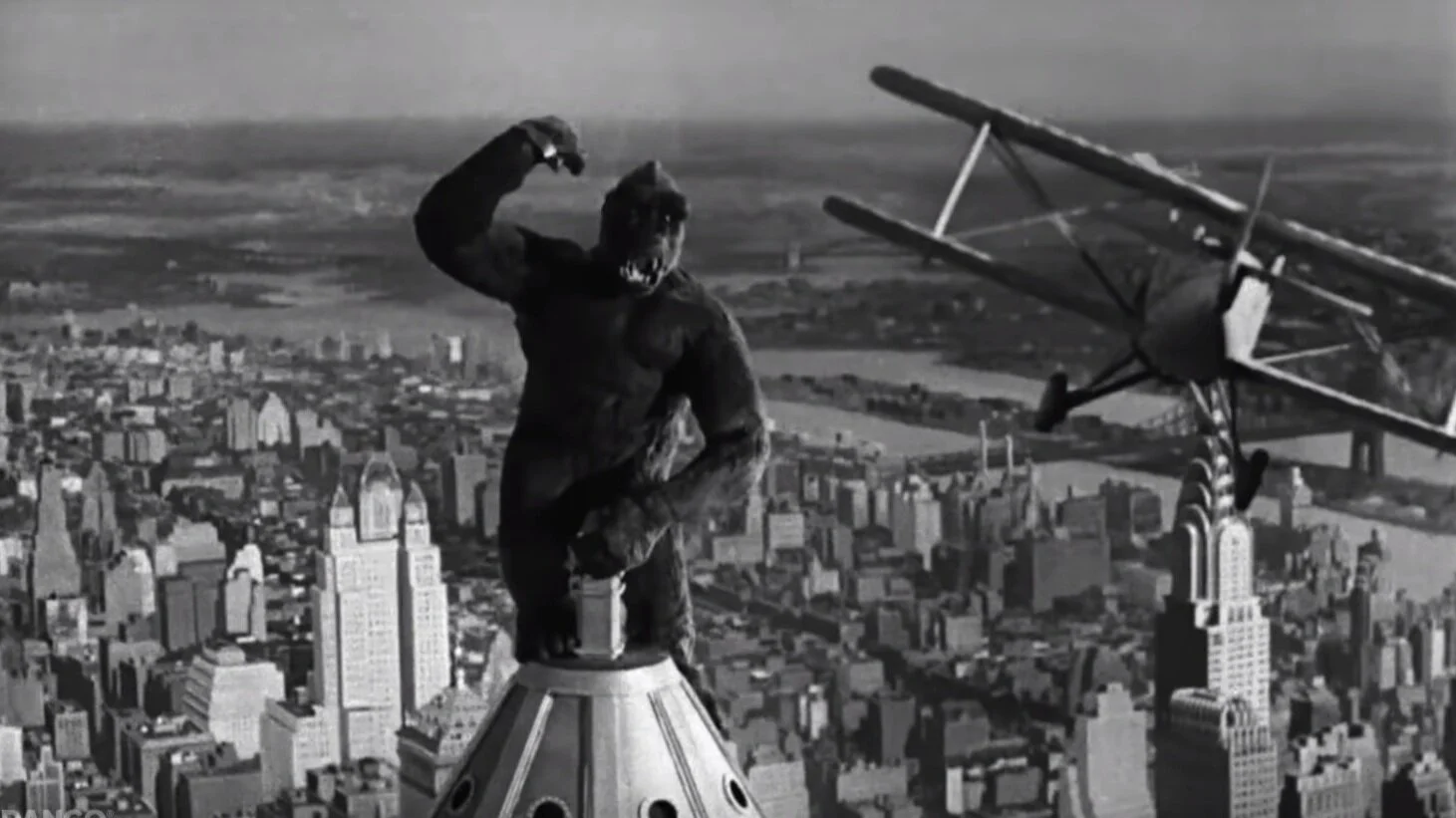
This is very similar to the list above, except that all three of these are a better viewing experience due to the cutting‑edge technology of spoken dialogue.
For the most controversial, Blade Runner is more in the “not for me” category, as I know many people who rank it as one of the best movies of all time. The theme of “what makes us human in a world where machines can mimic humans” is pretty goddamn relevant. What Ridley Scott was able to do with the film was very impressive.
But I don’t find the characters or story that compelling, even if I like the ideas discussed. It’s both melodramatic and far too serious about itself. Harrison Ford is much better suited to roles where he can get a little goofy with it, in my opinion.
Stanley Kubrick
CLOCKWORK ORANGE, A (1971)
DR. STRANGELOVE (1964)
2001: A SPACE ODYSSEY (1968)
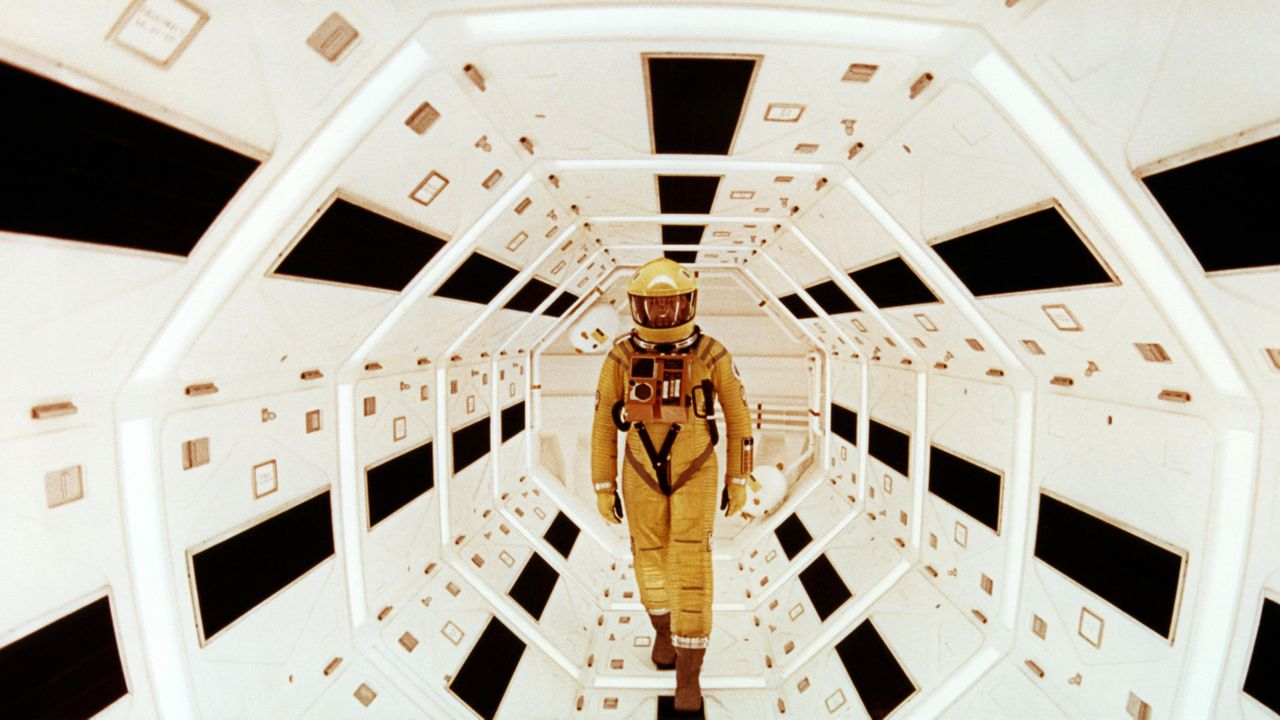
Stanley Kubrick is one of the ultimate Auteurs, a man whose style is so distinctive that you know when you’re watching a Kubrick film. He has a legendary status as a perfectionist, to the point of being abusive to his actors on set to get the shot just so. He famously terrorized Shelley Duvall on the set of The Shining, and the production holds the Guinness World Record for the most retakes for one scene with dialogue (148 takes).
However you feel about him as a person, it is undeniable that the three movies listed above are exemplary examples of Kubrickian art. But as for how I felt about them...
Clockwork Orange: So horrifying I could not stand watching it. It’s so unpleasant that I physically cringe just remembering it (which arguably makes it pretty good; that was the point!).
“Dr. Strangelove”: I had many people tell me how funny this was and had heard the famous line “Gentlemen, you can’t fight in here! This is the War Room!” It was well shot, with interesting commentary as the world was coming to terms with nuclear superpowers, but it committed the worst sin of all—it didn’t make me laugh.
2001: A Space Odyssey: My husband claims this is his favorite film of all time (it’s actually Gladiator, no matter what he says). I see what makes it special. The scenes in space are so spectacular that it makes me mad when I think about how terrible some movies look today in comparison. The HAL 9000 plot is intriguing. But the pace is absolutely excruciating, and the nonsensical ending might be interesting if it weren’t such a slog.
This is a nitpick, but having read the original Arthur C. Clarke novel, it’s interesting that sci‑fi writers of the time could picture a future with interdimensional space travel but could not picture a woman working a job besides secretary or flight attendant.
Cute Enough
YANKEE DOODLE DANDY (1942)
FORREST GUMP (1994)
TOOTSIE (1982)
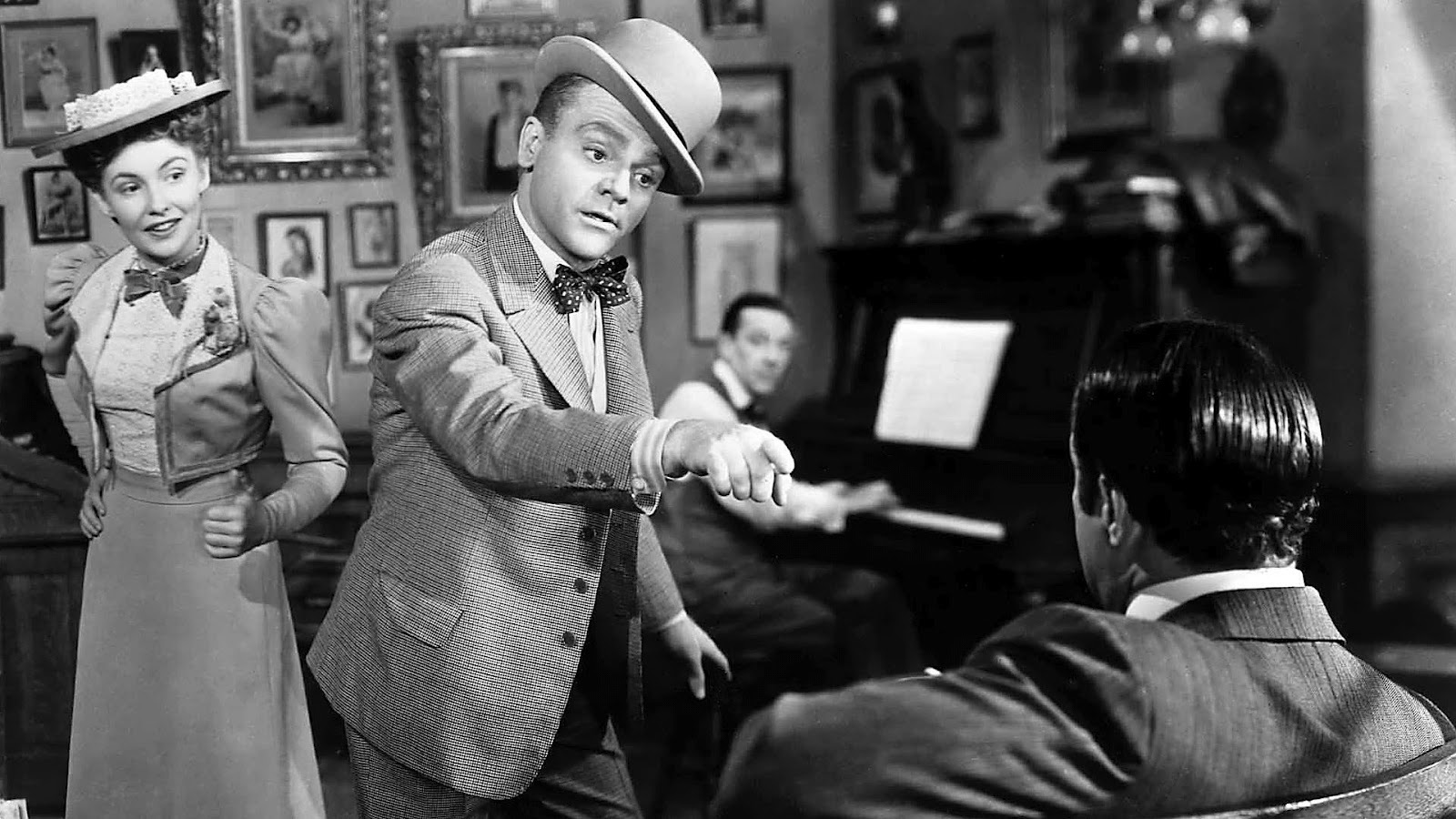
These are all very watchable films. “Tootsie” is probably the best of the bunch, but I didn’t love it. “Forrest Gump” is one of the best popcorn movies ever made, but it doesn’t have much to say. “Yankee Doodle Dandy” is lovely song‑and‑dance wartime propaganda.
Evil Movies
ANNIE HALL (1977)
GONE WITH THE WIND (1939)
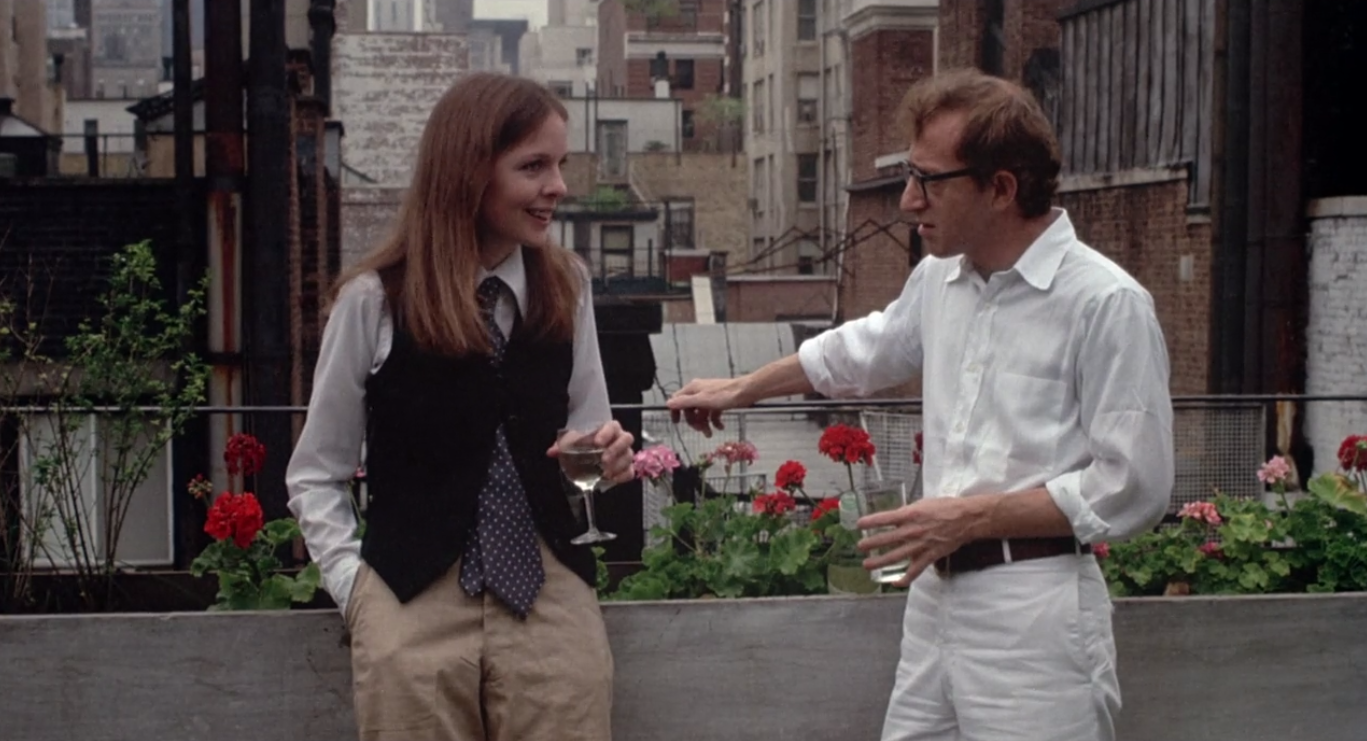
These are the movies where my many negative and positive feelings come together—my problematic faves, as the kids used to say.
Ethical consumption is a thorny issue, and with movies, there are hundreds of people working on them. Why should one person ruin it, especially if it’s a good movie? I love “A Few Good Men,” starring the most prominent member of a destructive cult. “Chicago” is one of the best movie musicals ever made and a Harvey Weinstein production.
But Woody Allen’s movies are Woody Allen. Auteurs like Kubrick have a personal style, but Allen’s movies are very much him, or at least how he sees himself and the world. And I don’t want to waste time litigating Allen’s guilt, but best‑case scenario, the man had an affair with his teenage pseudo‑stepdaughter, and based on the things he’s said and written, he has odd attitudes toward women generally.
There's also this Orson Welles quote about him:
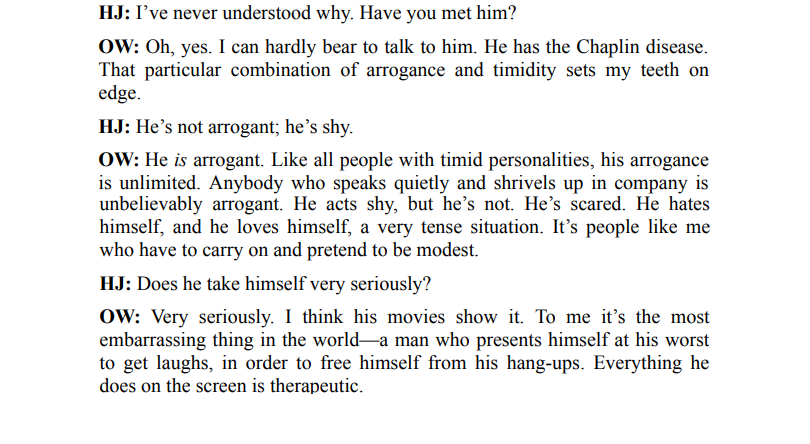
While you could read this as Welles just hating quiet creatives, you can also see how Woody Allen weaponizes self‑deprecation in his work. In Annie Hall specifically, while his character is often the butt of the joke, it is still apparent that he is more clever than the unwashed masses he lives among; he’s just also kind of a dork.
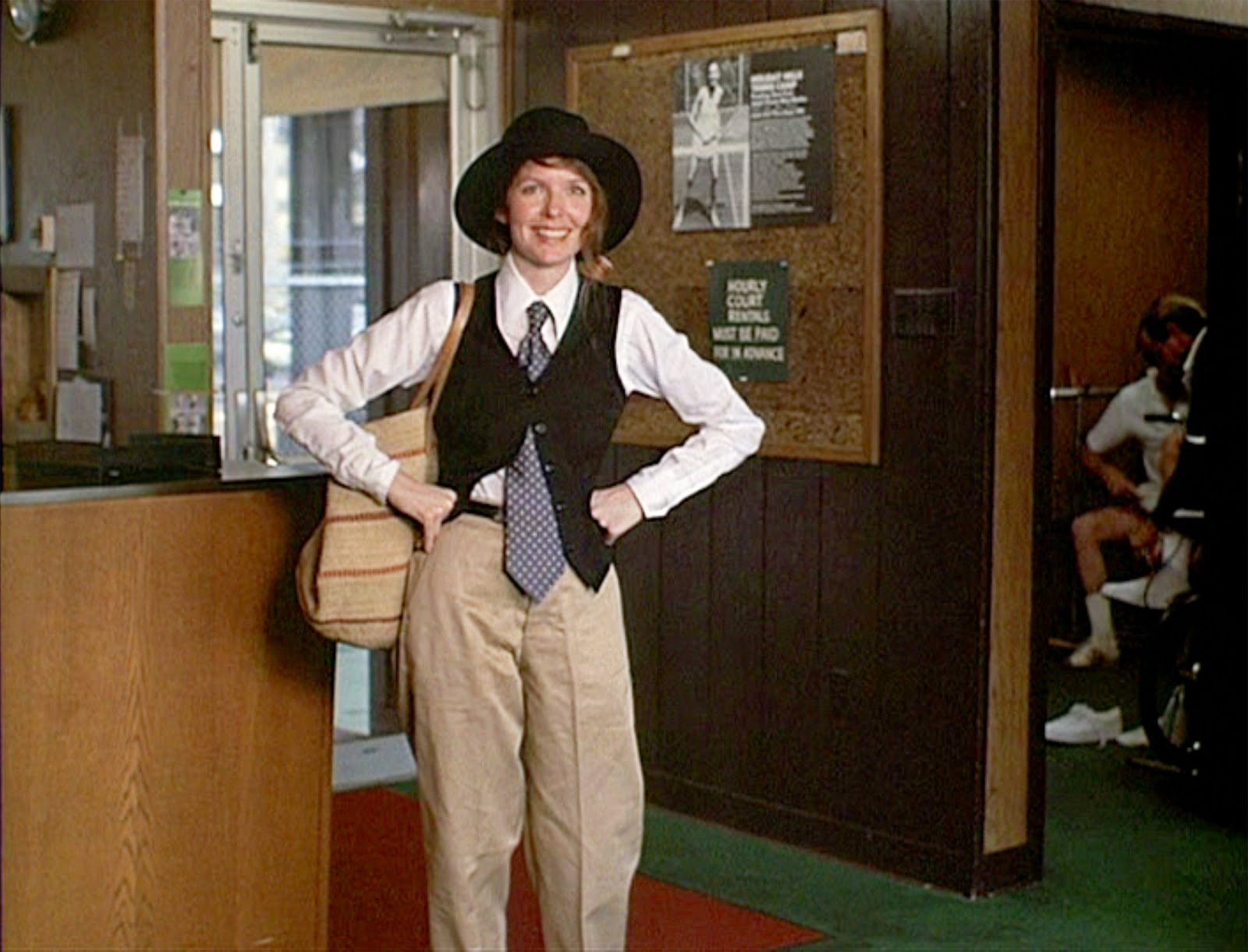
Unfortunately, I loved Annie Hall. I watched it as a teenager and loved the dialogue, 1970s New York, and everything about Diane Keaton’s performance. I especially love when Annie reads Woody’s character to film at the end of the movie and he rightly ends up alone. Watching it again as an adult, I still enjoy it, but I feel bad about it.
But it's not as bad as Gone with the Wind. I mentioned that the list removed pro-KKK film Birth of a Nation, but I would argue that Gone with the Wind is a more insidious.
The Lost Cause of the Confederacy is the pernicious myth that the South lost a just war to the North, that it wasn’t about slavery but about getting out from under the thumb of oppressive Northern states and asserting their states’ rights (right to do what??).
In an excellent piece by Jonathan Odell for the Mississippi Free Press, he talks about Confederate memorials in the South that “transport into a fantastical world reminiscent of gallant, ostrich‑plumed colonels, their grand plantations, and the supposedly contented enslaved workers who toiled there,” explicitly referencing Gone with the Wind. He argues that this myth still shapes Southern identity and politics today.
He goes on:
“Yet, intertwined with this romantic allure was an undercurrent of resentment, a lingering bitterness over the fabricated past that had been unjustly stolen from me. A treacherous enemy, alternately called Yankees, the North, or the Federal Government, had absconded with my rightful inheritance. This complex mixture of pride and grievance keeps the Myth of the Lost Cause alive and well today. It’s in our blood. Southern white boys leave the womb both nostalgic and aggrieved, easy pickings for any populist politician who promises to take us back to our days of glory, i.e., white superiority.”
As someone living in present times, yikes.
You may be confused about my mixed feelings as that seems like a pretty resounding condemnation. But what makes the movie so evil is the fact that it is, in fact, one of the most impressive movies ever made. You could not ask for better propaganda.
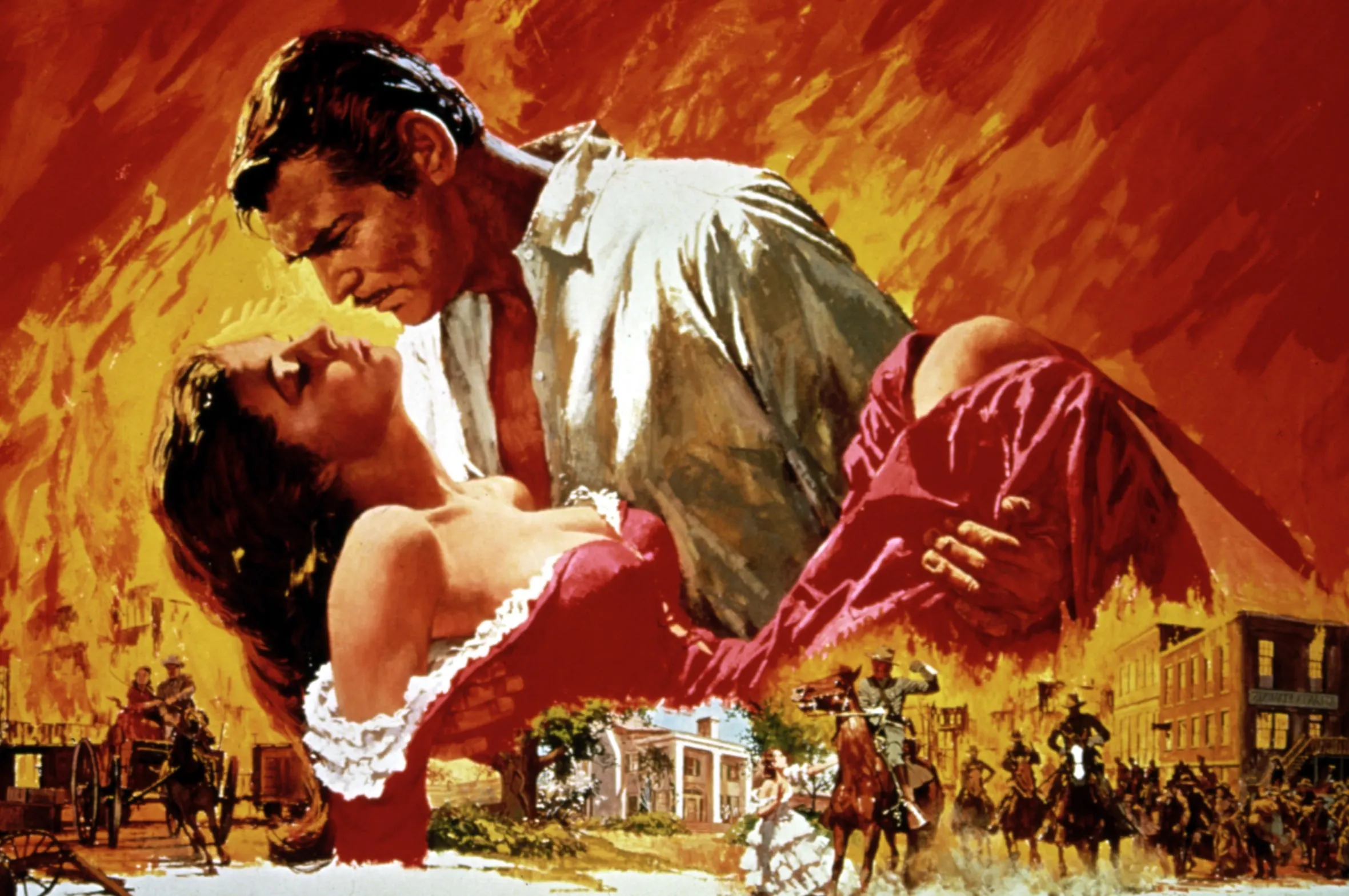
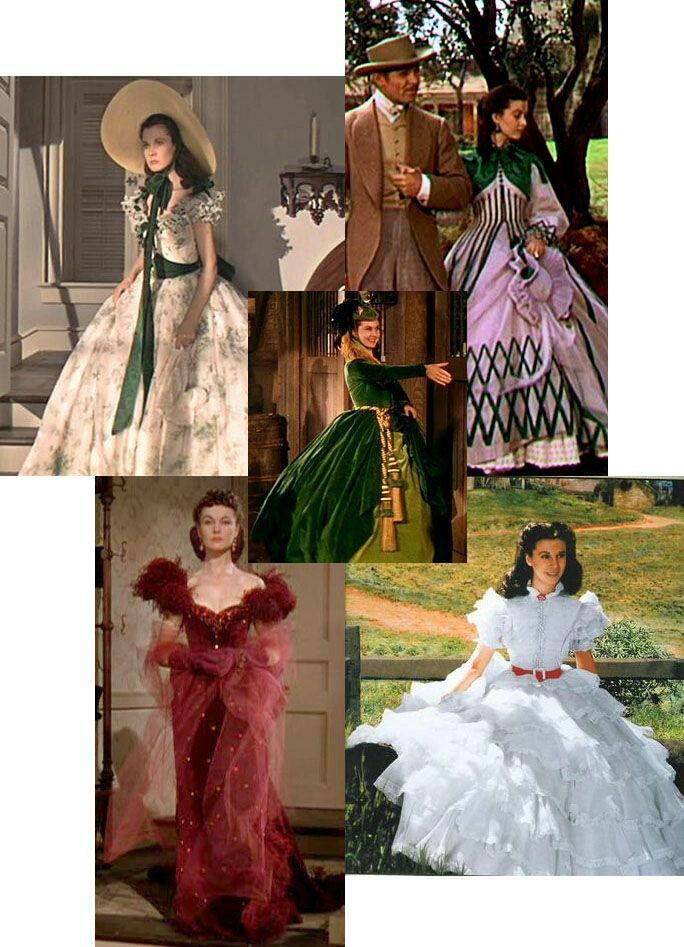
Aesthetically, the film is gorgeous. The costumes, the sets, the midpoint burning of Atlanta—truly masterful. Clark Gable plays the charming scoundrel to a tee. Vivien Leigh delivers my favorite performance, the British actress perfectly encapsulating a Southern brat who grows and changes through the horrors of war. Even if you think it’s as vile as I do, I would have a hard time arguing that it shouldn’t be on a list of best American films of all time.
I'm reminded of the Community Joke turned meme format:
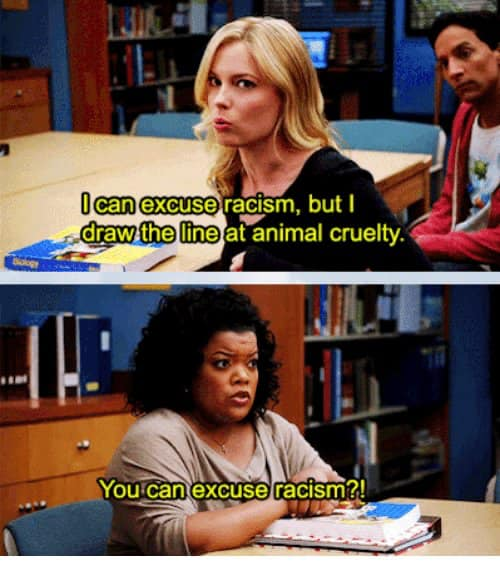
Full disclosure: when Michael and I watched these films, he outright hated them. He clocked me pretty hard with, “So the racism is really bad, but you’re not sure about it because of the pretty dresses?” Okay, I hear you—but the dresses are so pretty.
Stay tuned for part 3!