AFI Part 1 - The Best Movies Ever (That I Couldn’t Stand)
People often tell me, “You have real podcast energy,” which I assume is a compliment. A few years ago, I was the cohost of an award‑winning podcast, “Flahertys on Films,” and, as you can tell from the name of this project, my love of alliteration never went away.
On that podcast, my brother and I watched all of the American Film Institute’s top 100 films. The AFI made a top 100 list in 1998, did another in 2008 (the list we used), and then never tried again, as I assume they were sick of people yelling at them.
What makes the best of all time? According to the institute, a movie had to be critically acclaimed, award‑winning, have enduring popularity, and significant historical and cultural impact. It also had to be American, but they played pretty fast and loose with that one (nothing screams USA like “Lawrence of Arabia”). The list was voted on by 1,500 “artists and leaders in film.”
I have no strong opinions on the list itself. Many critics find it too commercial, with not enough focus on artistic merits. Others think it reflects too much of the tastes of those “in the industry” rather than your average American. Certain filmmakers are arguably overrepresented (Spielberg callout). Personally, I just think many of the people who voted on the list are a generation removed from my tastes, but that’s not the list’s fault. Time comes for us all.
The most common questions I get are: How are the movies on this list? What should I watch? What should I skip? I have many opinions, but no one likes to be monologued at (and I have quite a bit of data to back that up).
So now I will present a three‑part series: from the AFI list, movies I hated; movies I’m neutral about (or have such strong negative and positive feelings about that it evens out); and the movies I like or love. I’ve grouped them into categories to make it more manageable.
Also of note, I am not a film expert, and I will be very confident and likely wrong about so many things. Please argue in the comments!
Movies I Hate
New Hollywood
LAST PICTURE SHOW, THE (1971)
EASY RIDER (1969)
NETWORK (1976)
AMERICAN GRAFFITI (1973)
NASHVILLE (1975)
M*A*S*H (1970)
BONNIE AND CLYDE (1967)
MIDNIGHT COWBOY (1969)
GRADUATE, THE (1967)
CHINATOWN (1974)
FRENCH CONNECTION, THE (1971)
TAXI DRIVER (1976)
BUTCH CASSIDY AND THE SUNDANCE KID (1969)
This is my longest category and the one I dislike with an unfair passion.
Quick film history lesson: In the 60s, the influence of the major studios was waning, due to the rise of television and the landmark case that ended vertical integration of movie theaters and studios. The slick studio movies were also losing popularity as the youth of the late 60s and 70s gravitated toward realism and grit.
It was also the age of the visionary filmmaker, the Auteur, the man (always a man) with a singular creative vision that drives the work. It was arguably a time when film as a craft was starting to be taken more seriously, especially with the influence of European cinema.
I know I’m an unsophisticated pleb for not enjoying the cinéma vérité these movies inhabit. Anytime I read or listen to something about film history, every film aficionado waxes poetic about Peter Bogdanovich and the American New Wave.
It is a true reflection of the time, so they say. The free love and optimism of the 1960s give way to the pessimism of the 1970s. Many of these movies have a profound sense of aimlessness and an America that fell short of its promises.
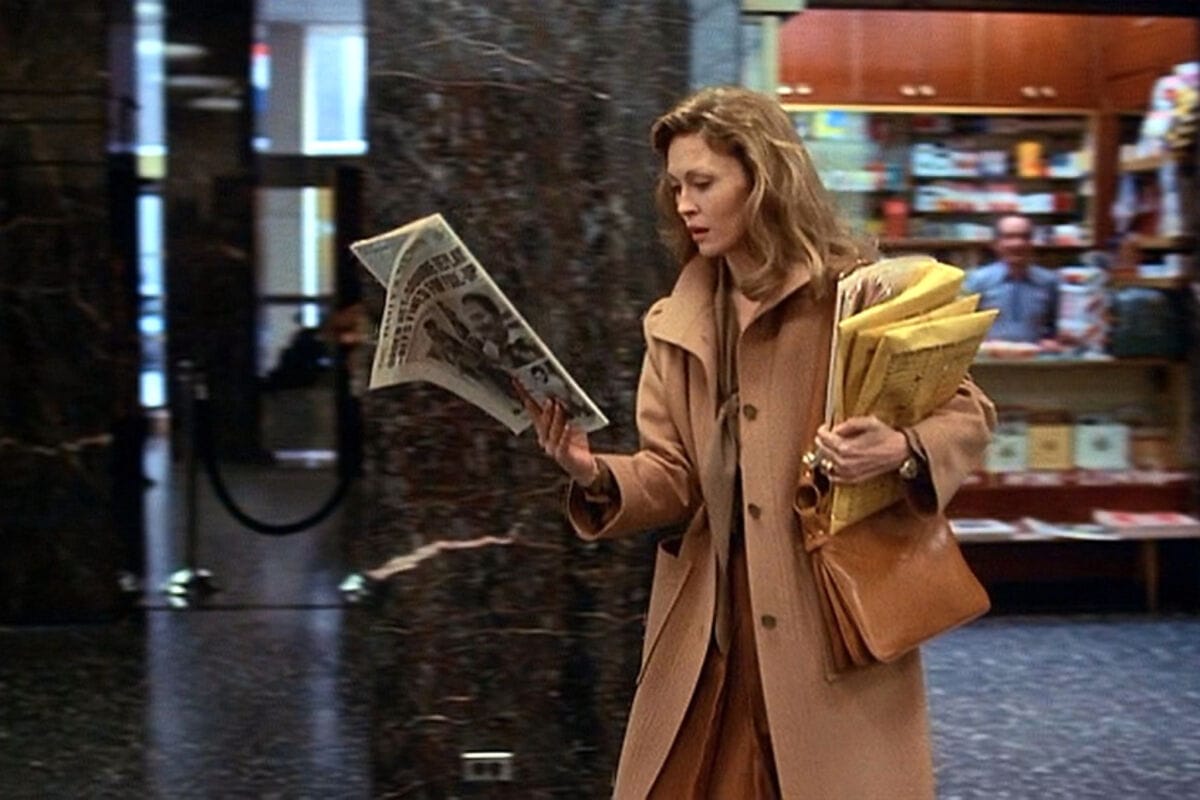
But my experience of watching these movies is an unrelenting nihilism rather than actual critique. Take “Network,” a movie with a premise that sounded interesting to me: a black comedy where a news anchor has a psychotic break. It’s about the commodification of news and tragedy in a hyper‑capitalist world.
But it’s really shallow. The “ravings” about how corporations own us, news is just entertainment now, women have careers instead of souls, the world is worse now.
I empathize that this felt very true at the time, but to what end? It reminds me of the musical “Rent,” a real snapshot of a time in New York where the gay and artist community was ravaged by AIDS and poverty, but the musical doesn’t actually say anything of substance. We’re mad as hell and we’re not going to take it, but actually we are because nothing ever changes. And we don’t even get fun songs to sing (okay, the “Graduate” soundtrack is pretty good, I’ll grant that).
I can hear you rolling your eyes. Okay, so these movies don’t adequately perform your politics and worldview, and that’s bad?
No! I love a lot of art that has little to say or has something to say I profoundly disagree with or have never experienced. But all these stories—the rich kid who doesn’t know his place in the world, the corruption of law enforcement, a dying small town in post‑industrial America—I’ve seen all of these done much better. If I could connect with the feeling they were trying to convey, I could maybe still get behind it.
But when the substance leaves me wanting, what’s left is the style. And these movies are ugly, dull, and just no fun at all. No one likes each other; everyone is the worst version of themselves, but not in an interesting way. Many of these movies have lurid details and/or a violent or shocking end that feels totally unearned. I mean, can you imagine something so disturbing as 27‑year‑old Dustin Hoffman having an affair with the haggard 36‑year‑old Anne Bancroft? That detail doesn’t really help my point, I just think it’s insane.

“Butch Cassidy” was my biggest disappointment: hunky cowboys who are best friends doing crimes? What an adventure! Nope. More dreary realism and pointless meandering through a beige, gritty filter.
Note: I don’t hate all 1970s films or New Hollywood, which produced some of my favorite movies and trained some of my favorite filmmakers. But I do not like these.
Western
WILD BUNCH, THE (1969)
SHANE (1953)
UNFORGIVEN (1992)
SEARCHERS, THE (1956)
TREASURE OF THE SIERRA MADRE, THE (1948)
HIGH NOON (1952)*

One of my husband’s favorite pastimes is watching me watch movies that he knows will make me angry. A particularly memorable one was “The Good, the Bad and the Ugly,” which began my journey of being anti‑Western.
Westerns are all about what it means to be a man, how to do the right thing when it’s hard in a world that’s always changing. They are like action films, which I love, only they take themselves far too seriously, with too many slow pans of the barren American West and not enough explosions. They act as though they are saying profound things about life while generally being pretty racist and misogynistic.
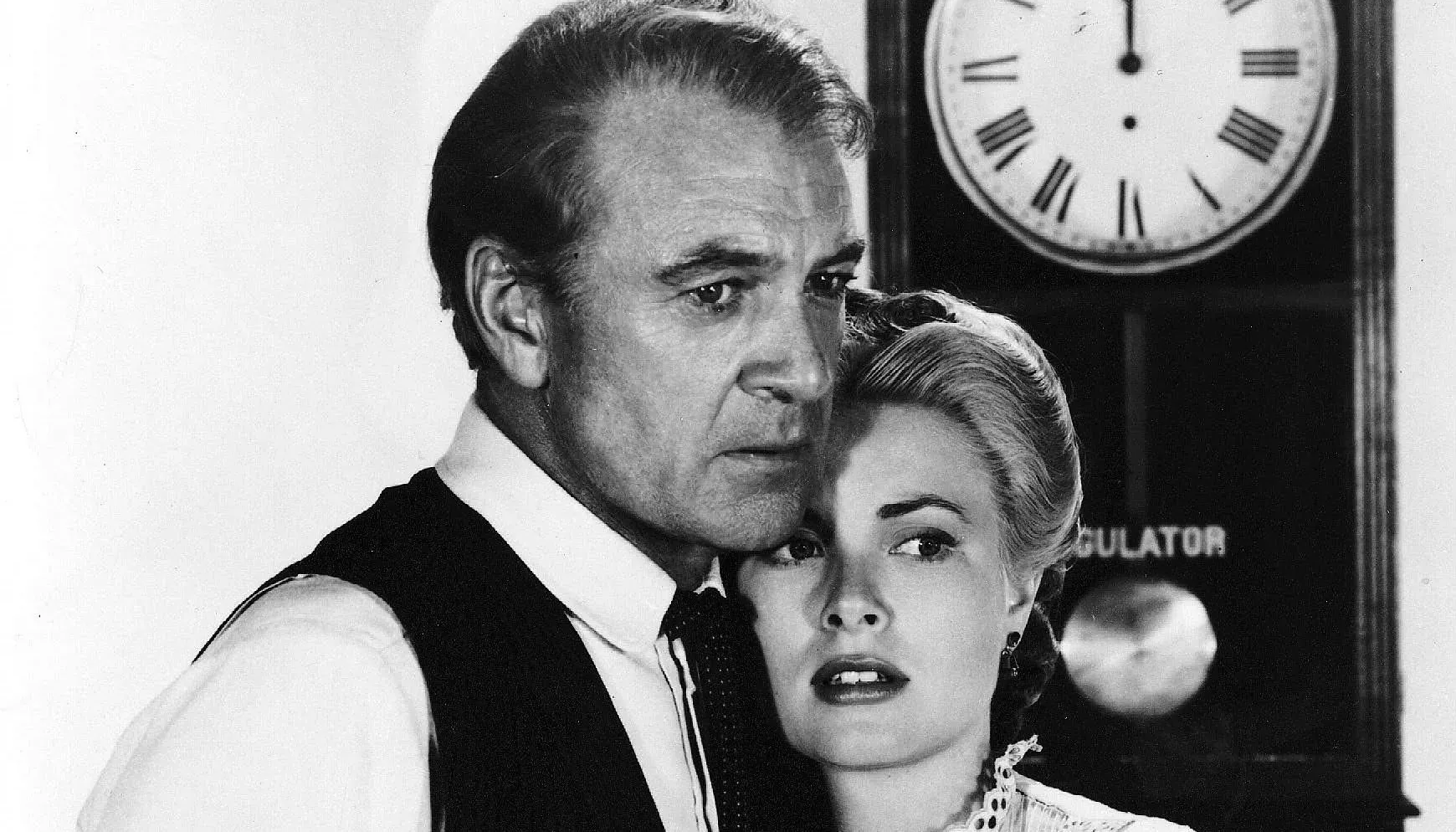
Confession: I did kind of like “High Noon.” I will never understand why Gary Cooper is considered a good actor, and I don’t like seeing that old man with 21‑year‑old Grace Kelly. But I like the real‑time filming gimmick, the story is well paced (possibly because of that), and it actually has some interesting things to say about ethics and violence, with not‑terrible women characters. That movie gets a solid C+ from me.
Boxing
ROCKY (1976)
RAGING BULL (1980)
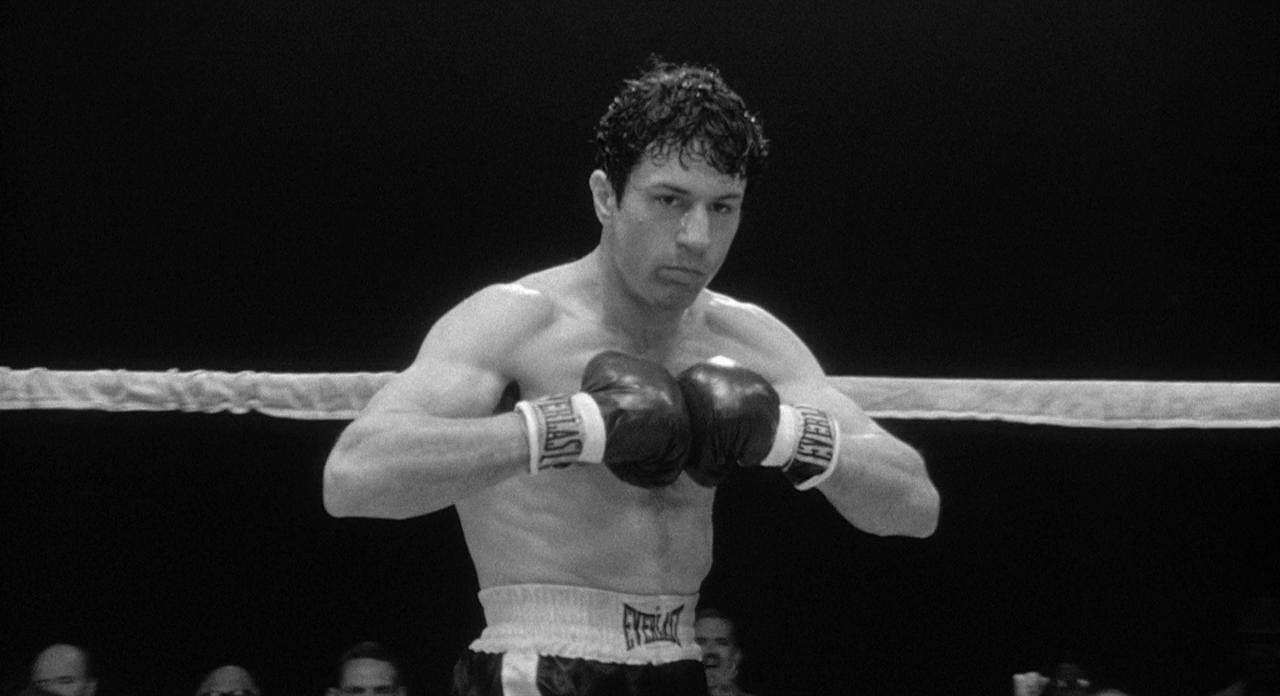
I hope this post doesn’t expose me as someone who dislikes “male interests.” Men are great! I love many macho movies!
That said, the boxing movies were not for me. In both of these movies, I don’t like or care about the protagonist. This is the biggest failure of “Rocky,” where the lovable underdog tale of (sort of) triumph is the whole point.
With “Raging Bull,” Scorsese was drawn to the project because he saw himself in the character, which leads to a far too sympathetic portrayal of a terrible, abusive person. Marty (to his friends) does a much better job of these stories later in his career, in my opinion. Compare Raging Bull to Goodfellas where the tone and storytelling are much more effective and entertaining. That movie better conveys the complexities of masculinity and violence, all with a better soundtrack and Italian cooking.
Maybe I just don’t like boxing. Even baseball movies are better.
Yucky War Movies
PLATOON (1986)
DEER HUNTER, THE (1978)
APOCALYPSE NOW (1979)
SAVING PRIVATE RYAN (1998)
BEST YEARS OF OUR LIVES, THE (1946)*
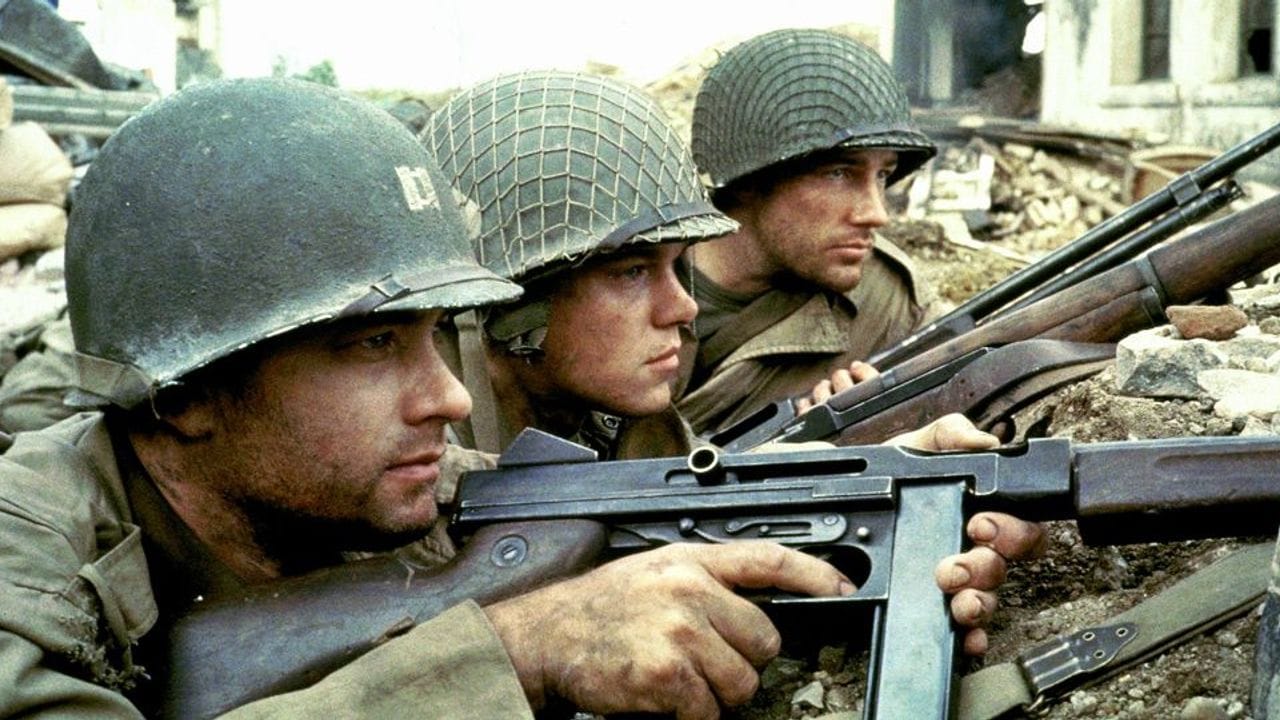
François Truffaut famously said, “There’s no such thing as an anti‑war movie.” The idea is that even a thoughtful filmmaker who sets out to depict the horror of war ends up glorifying it. It comes down to the medium itself: depictions of war will be elevated and misinterpreted despite the creator’s intention. You hear about Marines conducting bombing raids while listening to “Ride of the Valkyries,” even though I’m quite sure Coppola did not make “Apocalypse Now” to say, “Vietnam was awesome, actually.”
I’m not saying that I object to war movies on a moral level. I love movies like “Fight Club” or “American Psycho” that have been misunderstood by the worst sort of people, and I don’t think directors owe an apology for attempting to depict the cost of war in a cinematic way.
But I think the way to really show war in a sincere way is to be graphic. It’s bloody, visceral, chaotic, and terrifying. Personally, I’m a big wimp, and I don’t enjoy that one bit.
For some movies in this post, I think they’re genuinely bad. If someone could explain any of the merits of “Nashville,” I’m open to listening. But I would never argue a movie like “Saving Private Ryan” is actually bad, only that the opening scene alone put me off entirely because I’m a big weenie and can’t handle realistic violence at that level.
And to tie this all back to the idea of an anti‑war film, I included a movie I really did like, “The Best Years of Our Lives.” I’m cheating because there’s barely any war in it, but instead it's a story of three soldiers returning home after WWII. As that generation is almost gone, the war is now in our collective memory as the Good One, defeating fascism once and for all and returning home to a booming post‑war economy and a reinvigorated nation.
But this movie is a shockingly effective portrayal of the hardships of returning home after war. It may be condescending to say “shockingly,” but I don’t think it’s out of line to suggest that the 1940s had a rudimentary understanding of PTSD and mental health care. This movie deals with reintegration after combat, coping with disability, and what happens to those you left behind.
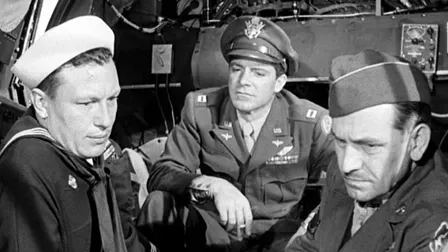
The problem with depicting war is that you can be horrified by the imagery, but the average person cannot truly internalize that as the cost of war because they will likely never experience that level of violence. The emotional toll that war takes on the soldier and those who love them, even in a just war, is something people can imagine what it's really like to experience. That, to me, is a better anti‑war film.
Note: I’m not anti-American intervention in WWII.
Epics
BEN-HUR (1959)
LAWRENCE OF ARABIA (1962)
SPARTACUS (1960)*
Epics can be indulgent and tedious as a genre. Ben-Hur was one of those, and it was as grand in scope as it was unintentionally silly in execution.
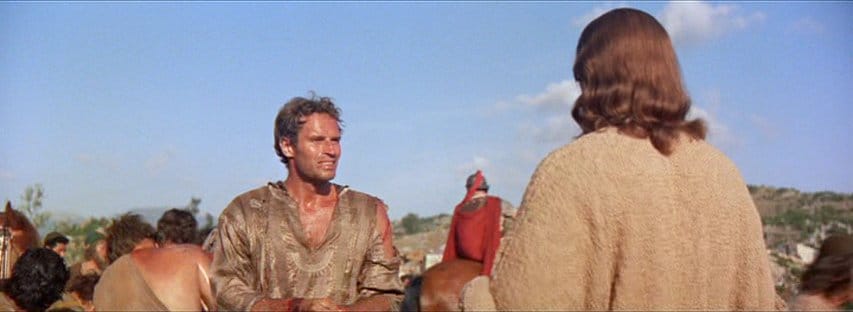
It’s not just long (three and a half hours); I also find Charlton Heston’s acting so grating (the man Tim Burton described as “the greatest bad actor of all time"). I actually enjoy a lot of over‑the‑top performances, but he doesn't bring any joy to the role. He feels like a caricature of a theatre actor being an Important Man, which makes the whole thing a slog. A few cinematic shots and Jesus cameos don’t make up for that.
With “Lawrence of Arabia,” I want to say some smart things about Orientalism or the problematic history of T.E. Lawrence, but I’m woefully uneducated on this one. I honestly don’t remember much about watching this one other than the beautiful cinematography and Obi-Wan Kenobi in brown face (different times!), but I also remember not liking it. I may need to give it another try.
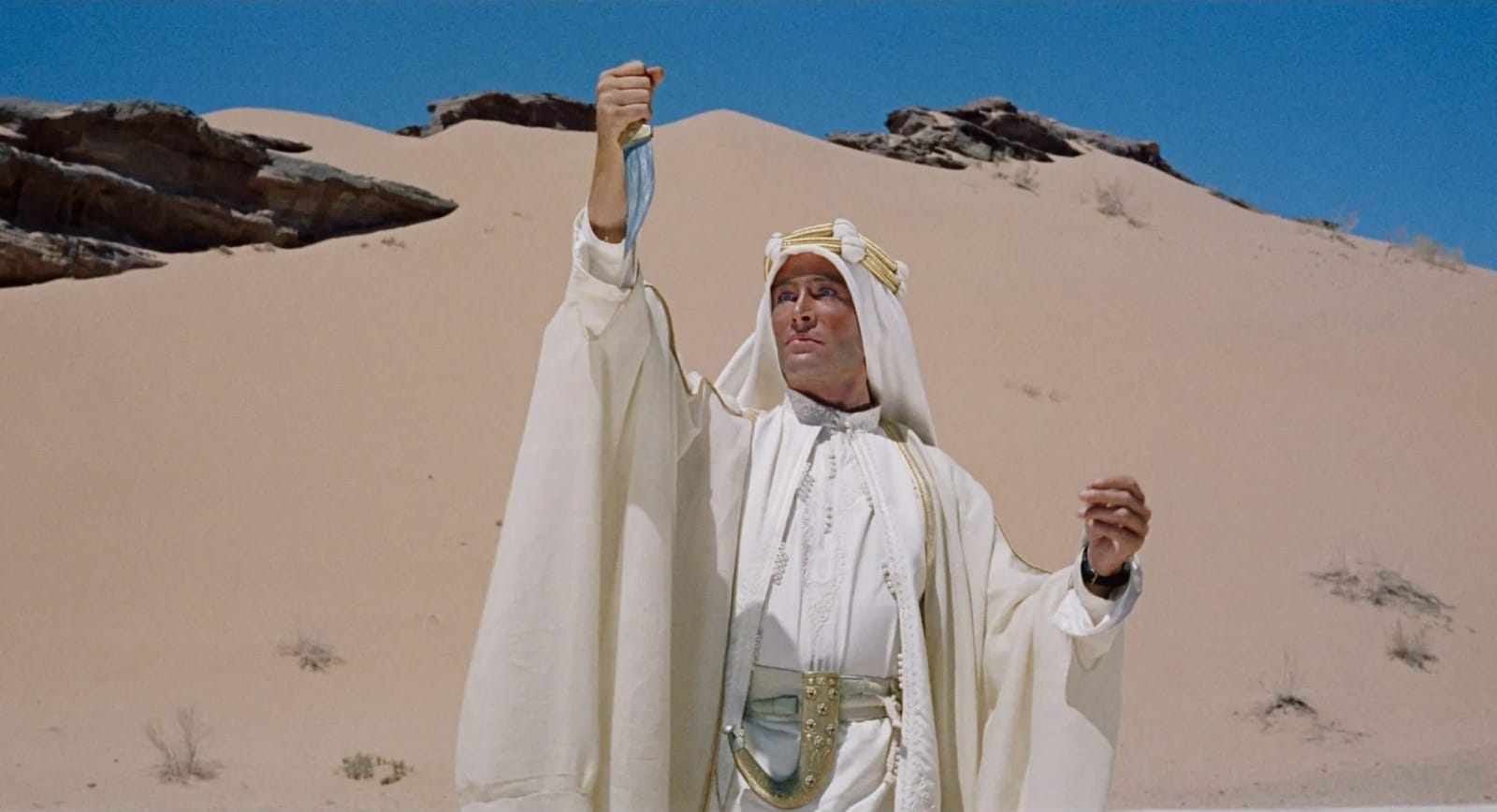
Which leads to “Spartacus,” a real surprise of the bunch. We’d watched several sweeping epics to that point, and I was prepared for another snooze‑fest. Instead, I was pleasantly surprised.
It has many of the features of an epic—sweeping landscapes, a grandiose story line, scenes with thousands of extras, elaborate sets, etc. All of that is executed well, with stunning imagery and pretty good pacing (for the time and for a Kubrick film).
The big difference? Kirk Douglas, although I would also credit a better script and direction. He is very much just a man, someone who can have fun, tell jokes, fall in love, and form real friendships, all before he is a leader of men.
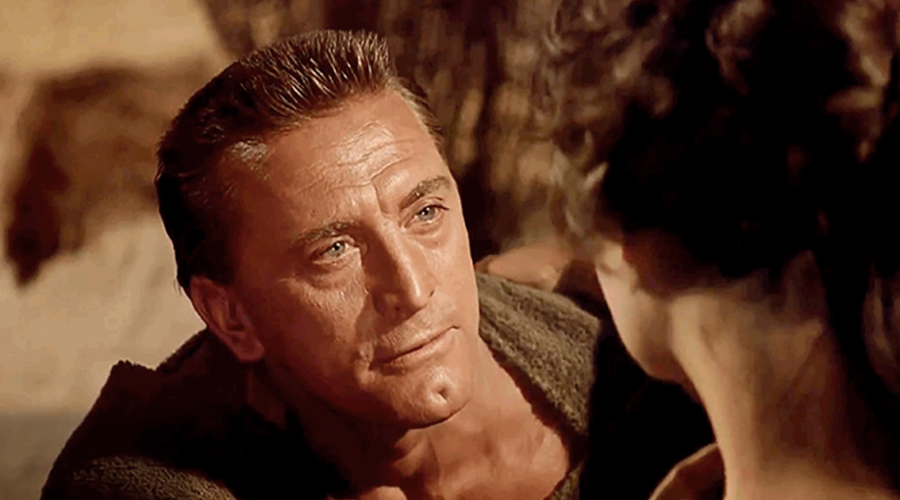
This very human and likable person connects you to the story and earns the climax, which I knew so well I thought it would be cloying, but it’s very effective. It really is a beautiful emotional catharsis.
Stay tuned to next week where we get into the exciting world of "meh" movies!