Nostalgia and the Promise of America Part 2: Fight the Power and Thank a Government Worker
Note to reader: This is not going to be a fun or tonally consistent post. It’s a stream of consciousness trying to make sense of things. Proceed with caution, and next week I will get back to the silliness.
I’ve had a lot of big feelings this past week about America, as have many people around the world. Not to make this about me, but as a perceived enemy of some and a member of the “organized gang of wine moms,” I have thought about what it means to be American given the current climate.
Despite the allegations, I do love America. It’s not just a thoughtful, nuanced love of a country I grew up in and its core values as I see it, but also a deep, child-like propagandistic love.
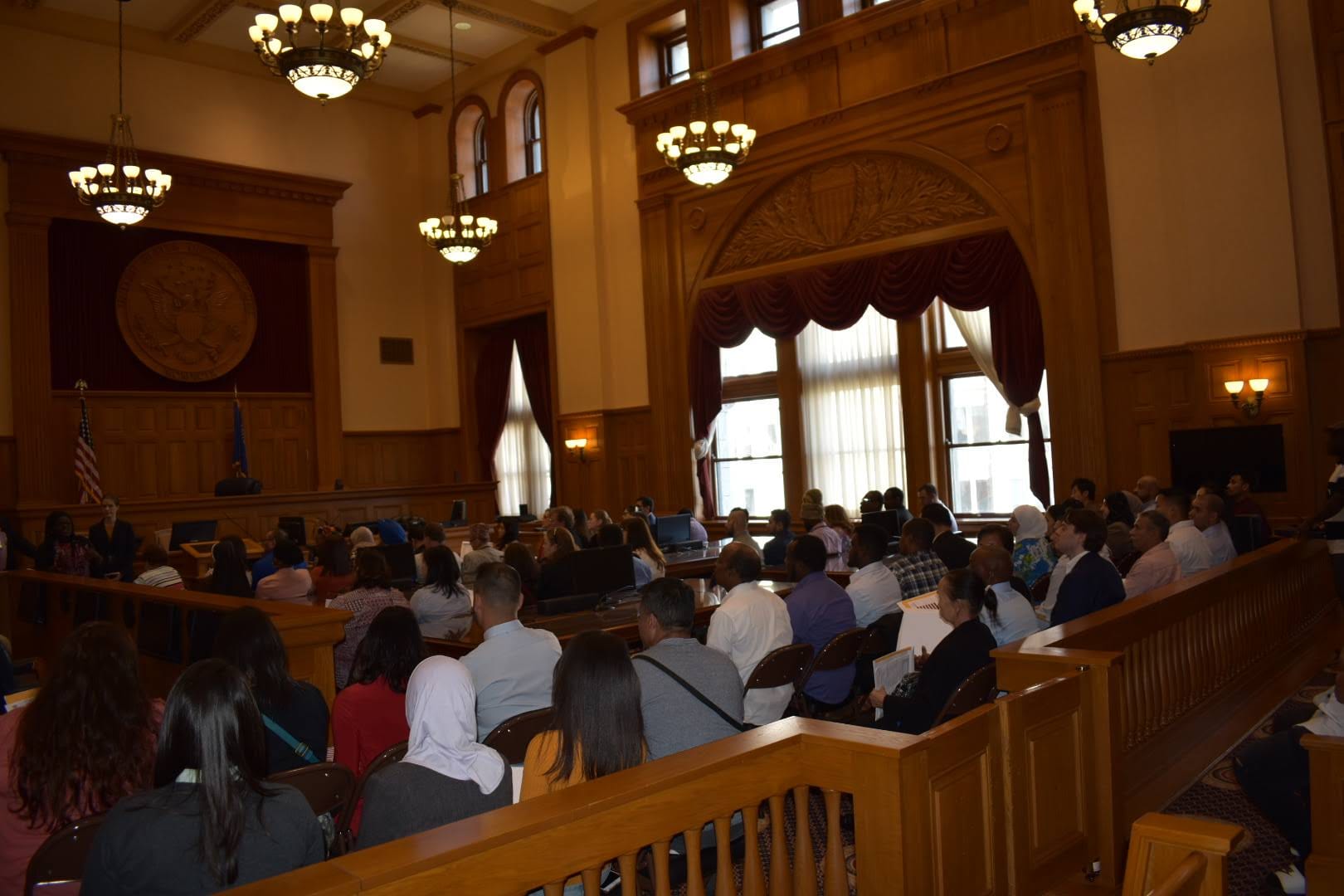
I love watching fireworks on the Fourth of July. I love visiting national parks and historic sites. I cry when I watch the Olympics. I still think one of the most moving things I ever witnessed was a citizenship ceremony.
Some might say that patriotic awe is embarrassing and misguided. There’s an argument that our feeling of specialness inevitably feeds our feelings of destructive supremacy. I understand that attitude when we have an American president grossly and incompetently lying on an international stage in order to diminish and insult our closest allies.
I also see a lot of online political discourse (because I don’t care enough about my mental health), and there’s a narrative that uplifting rhetoric in politics, like the Obama years of Hope and Change, have failed us. If only we didn’t go high when they went low, maybe we could have fought back more effectively.
But I know I’m not alone when I say that despite everything, despite the violence and callousness we have seen, there is a part of me that is still moved by the Promise of America. I have to believe we can embrace what is good and unique about us as a nation without the dominance and suppression. And I would argue we need to hold on to that if we want a better political future.
On a more practical note, eschewing any notion of America’s importance doesn’t make it so. Whether or not you think America needs to slink into the shadows and humble itself, we are still a massive country that leads the world economically, militarily, and culturally, for better or worse. Whether or not we are on the decline is irrelevant to the fact that we should do everything we can to harness this current power for good.
In my red, white, and blue soul, I think we still can, and it’s the politically salient thing to do.
So how do I fight the feeling of hopelessness and cynicism that is algorithmically curated for me? By thinking about what comes next and what's possible. If we can’t aspire to a greater idea of America, we lose. If I say we need to rally for the midterms and someone else responds, “You idiot, you really think there’s going to be an election?” Yes, I do, I must, and I will.
Because you know one piece that’s holding so much of this together right now, and what we can build upon for a better tomorrow? Something I think can give us all hope? That’s right, it’s big government, baby. Let’s talk about the Deep State.
The attacks on government work did not begin and end with DOGE, but DOGE is the wildly idiotic outcome of decades of attacks on the government as an overreaching, inefficient bureaucracy that wastes your tax dollars at best and encroaches on freedom at worst.
I recently read Who is Government? The Untold Story of Public Service, a book of essays about the extraordinary stories of federal government workers that pushes back against the anti-government rhetoric.
 Michael Lewis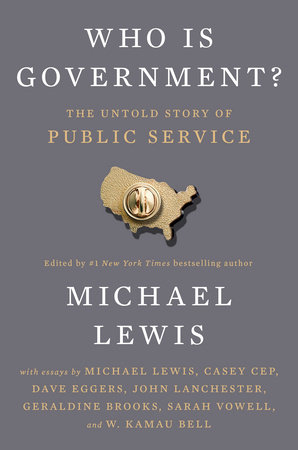
I highly recommend this book. It’s an easy read, with two essays by Michael Lewis, author of the Big Short and Moneyball, and six other essays by well-known authors. It is a small peek into the sprawling federal government and what it actually does well, from saving coal miners’ lives with innovative technology, creating worldwide networks for tackling rare diseases, the incredible investigative work of the IRS, the wonders of NASA’s Jet Propulsion Lab, and I had particular fun with the National Archives chapter (I’m a Sarah Vowell fan).
Not all government workers are equal, obviously. Some of them are agents of state-sanctioned violence and terror. Some of them are administering elections, keeping drinking water clean, building key infrastructure, and providing a million invisible touches that make our lives safe and comfortable. Some of them are agency directors who sit in a lot of meetings and write a lot of emails (that’s me!).
One chapter in particular stood out to me, the story from the head of the National Cemetery Administration (NCA), which is under the U.S. Department of Veterans Affairs. For the layperson, if you ever wonder why every official veterans cemetery looks like Arlington National Cemetery, that’s the NCA’s doing (although Arlington is run by the U.S. Army, not beating the confusing bureaucracy allegations).
The NCA has an incredibly high customer satisfaction rating, and each cemetery you see looks clean, precise, and beautiful. There is so much that goes into this, but at the heart is the employees who care deeply about the mission and that feeling of civic duty is imbued in everything they do.
I know because my agency oversees three state veterans cemeteries (regulated by the NCA). Employees there work closely with the families of deceased loved ones and work tirelessly to keep the cemeteries as pristine monument to those who have served.
In this insanely cold weather, they are out there right now ensuring that veterans are buried in a timely manner, at no cost to their families. They actually have to thaw the ground for every plot before they can begin digging:

If you talk to them, they love what they do with no ego and feel called to service, a common theme with the federal employees in the book.
This is part of an America that exists right now. As we fight existential dread, there are people working every day with a sense of building something and serving a greater purpose. [Cue the West Wing theme] We can look toward a future where we have a sense of responsibility to our community, where we protect the vulnerable, where we strive for innovation that improves the world, and it’s easier to do when you recognize that it already exists in spades. Right now, it may be overshadowed or actively under attack, but it isn’t gone.
In Minnesota, the community is coming together with a potent mix of rage and compassion as yet another person was murdered last week. I am not saying anger is not important, or to ignore the bad and focus only on the positive (and even if I did think that, I don’t think it's possible).
This is a small part of a larger project. My message is not “uncritically praise all government workers and that will solve everything."
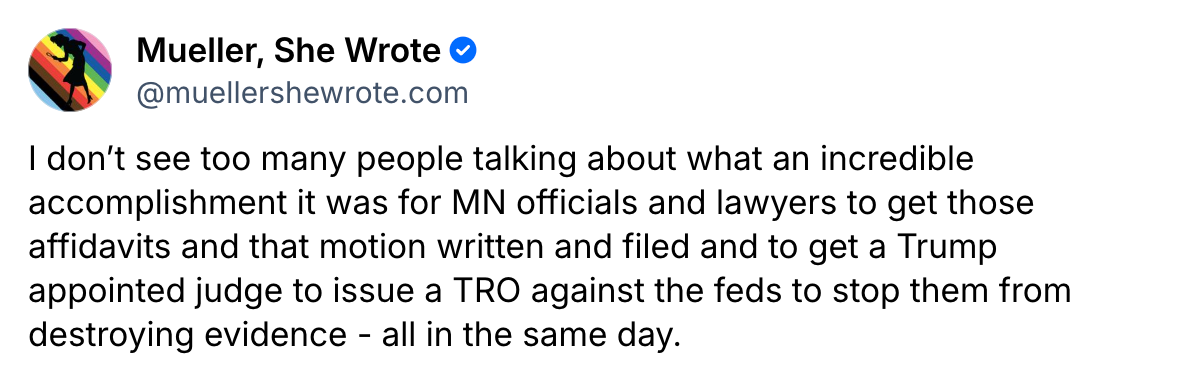
But if we cede all that is wonderful about our nation to its worst “patriots,” we can’t win. And a functioning government of praiseworthy civil servants is vital, like you see here:
Call it pie-in-the-sky thinking, but I have to believe we can come back from this. Critically, we need more people to reach deep down and love our country enough to believe it can and will get better.
P.S. This week I listened to Iron & Wine's album The Shepard's Dog, a suggestion by Willie Fessenbecker. I don't have much to say about it other than it's a really nice listen, and I recommend it!